
Favorite Tools For Demolition Service Contractors
Identify the most trusted and efficient equipment choices used by leading demolition service providers.
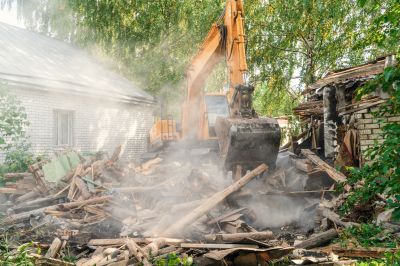 Demolition projects in Bloomington, IN, require a diverse array of tools and equipment to ensure safety, efficiency, and precision. From small-scale interior demolitions to large structural tear-downs, selecting the right products is essential for successful completion. The variety of tools available allows contractors and DIY enthusiasts to tailor their approach based on the scope and complexity of each project. Proper equipment not only streamlines the demolition process but also helps in minimizing hazards and managing debris effectively.
Top Overall Option
Heavy Duty Demolition Hammer
A versatile demolition hammer is a fundamental tool for breaking through concrete, brick, and masonry. It offers powerful impact force combined with ergonomic handling, making it suitable for both large and small demolition tasks. Its durability and adaptability across various materials make it a reliable choice for professional contractors and serious DIY enthusiasts alike.
Types of Products For Demolition Service
Hydraulic Breakers
Hydraulic breakers are attachments for excavators used to break hard materials like rock and concrete efficiently.
Sledgehammers
Heavy-duty hand tools designed for manual demolition work, ideal for breaking smaller structures or prying apart materials.
Reciprocating Saws
Power saws with a back-and-forth motion, perfect for cutting through wood, metal, and drywall in demolition projects.
Concrete Crushers
Specialized attachments or standalone units used to crush and reduce concrete debris into manageable sizes.
Demolition Buckets
Attachments for excavators that facilitate the removal of debris and dismantling of structures.
Chipping Hammers
Lightweight pneumatic tools used for chipping away at concrete or masonry surfaces.
Dust Extraction Systems
Equipment designed to capture and contain dust generated during demolition, improving site safety and cleanliness.
Hand Tools Set
A collection of pry bars, chisels, and hammers for detailed demolition work and material removal.
Safety Gear
Protective equipment including helmets, goggles, gloves, and ear protection essential for safe demolition activities.
Wall Chasers
Power tools used to cut narrow channels into walls for electrical wiring or plumbing installation during demolition.
Floor Scrapers
Tools designed to remove flooring materials such as tiles, vinyl, or hardwood efficiently.
Vacuum Excavators
Equipment used for safely removing debris and liquids from demolition sites with minimal disturbance.
Wire and Cable Cutters
Tools for safely cutting and removing electrical wiring during demolition projects.
Lifting and Hoisting Equipment
Cranes, hoists, and winches used to lift heavy materials or structural components safely.
Portable Generators
Power sources essential for operating tools and equipment in remote or site-specific demolition tasks.
Popular Choices
Portable saws favored for their convenience and mobility when cutting through various materials.
Air-powered tools commonly used for breaking up concrete and asphalt efficiently.
Versatile tools suitable for drilling and chipping in demolition work, especially in concrete and masonry.
Tools used to pry apart structures, remove nails, and leverage materials during demolition.
Essential for transporting debris and waste from demolition sites to disposal areas.
Critical protective gear to prevent head injuries during demolition activities.
Protect hands from cuts, abrasions, and impacts during demolition tasks.
Respiratory protection to safeguard against inhaling dust and particulate matter.
Power tools designed for heavy-duty breaking and chipping tasks.
Tools for removing surface materials efficiently in renovation or demolition projects.
Lighting equipment to illuminate work areas in poorly lit or interior demolition sites.
Manual saws useful for precise cuts and detailed demolition work.
Reliable power cords to extend the reach of electric tools on site.
Equipment used to stabilize structures during partial demolitions or renovations.
Ramps used to move debris and equipment safely across uneven surfaces.
Understanding the different types of demolition tools can significantly impact project outcomes. Heavy machinery such as excavators and bulldozers are often used for large-scale demolitions, while handheld tools are more suitable for detailed work or interior stripping. Safety gear and accessories are equally important to protect workers from potential hazards associated with demolition activities. Investing in quality equipment suited to the specific needs of each project can improve efficiency and reduce the risk of accidents.
In Bloomington, IN, where demolition projects may range from residential renovations to commercial site clearings, having access to a comprehensive selection of demolition products is advantageous. Local contractors and DIYers alike benefit from knowing what tools are available for different tasks. Whether breaking concrete, removing drywall, or dismantling structures, the right equipment makes the process smoother and more manageable. Proper planning and equipment selection are key to executing demolition tasks effectively and safely.
Key Buying Considerations
- Assess the scope and scale of your demolition project to determine the appropriate tools and equipment.
- Prioritize safety features and protective gear to ensure worker safety during demolition activities.
- Choose tools with sufficient power and durability to handle the materials involved, such as concrete or metal.
- Evaluate the portability and ease of use, especially for manual or handheld tools used in confined spaces.
- Consider compatibility and attachments for power tools to expand their versatility for different tasks.
- Review the availability of replacement parts and maintenance support for long-term use.
- Ensure compliance with local safety regulations and standards for demolition equipment.
- Opt for ergonomic designs to reduce fatigue and improve control during extended use.
- Check for features like dust control or extraction systems to maintain a cleaner and safer work environment.
- Factor in the cost and budget constraints while balancing quality and functionality.
- Look for versatile products that can be used across multiple types of demolition tasks.
- Consider the noise levels of powered tools, especially for projects in residential or noise-sensitive areas.
- Evaluate storage and transportation options for larger equipment or multiple tools.
- Assess the availability of training or instructional resources for complex machinery.
- Determine the environmental conditions of the site, such as moisture or temperature, to select suitable equipment.
This content contains affiliate links and may earn a commission at no additional cost to you. All product suggestions are for informational purposes and do not constitute endorsements.